
Customer service is one part of the customer experience. That experience includes how easily people can do business with you, what they can expect, and whether you follow through.
I learned that across decades of work, including while running Illinois Nut & Candy. One thing stayed constant: people want to feel heard, respected, and kept in the loop
Tony Hsieh, former CEO of Zappos, said, “Customer service shouldn’t just be a department, it should be the entire company.”
He put that belief into practice at Zappos, helping build a business known for its customer service that Amazon acquired for approximately $1.2 billion in 2009.
That is a principle I agree with and stand by. Customer service belongs to everyone in a business. Every interaction shapes how a customer experiences the company, whether it happens at the counter, over the phone, or after an order is placed.
Treating people courteously and with respect matters in every industry. Think about how you want to be treated at a restaurant, when you call tech support, or when you hire a mechanic. Most of us want someone to listen, respect our time, and explain what happens next. Delivering that experience is everyone’s responsibility.
My staff used to laugh when I called a customer’s order a project. To me, every order had a beginning, a finish, and steps in between.
I explained the timeline to the customer and what needed to happen along the way. That helped set expectations and bring the customer into the process. It also gave us a chance to explain the variables that could affect the order.
When a business manages the work well, the customer knows what to expect and when to expect it. If something changes, communicate as soon as you can. A realistic update is better than silence or a promise you can’t keep.
That’s why I see project management as part of the customer experience. How you manage the work matters just as much as how you communicate along the way.

Mistakes happen. What matters is how you handle them. I focus on three things:
My approach to customer service started early. My mother used to say, “You can attract more bees with honey than vinegar.” I learned that treating people well could make a lasting difference. Customers sometimes took the time to call or write to my bosses about the service I provided, and that positive feedback helped me earn promotions and raises.
I have taken pride in delivering thoughtful service throughout my career. For more than three decades, I’ve kept testimonials from customers and colleagues—from my early years in IT, to nearly two decades owning a local candy store, to my work today as I Am Your Virtual Professional.
The industries changed, but one thing stayed consistent: I wanted people to feel heard, respected, and confident about what would happen next. At the candy store, that approach helped build customer relationships and bring people back. You can read some of the feedback on my testimonials page.
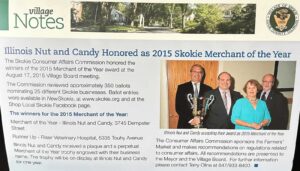
During my career, I saw how thoughtful service and clear communication could shape a customer’s impression of a business. While I owned Illinois Nut & Candy, my team received customer testimonials and community recognition, including:
You can read some of the customer testimonials my team received.
These recognitions are part of my story. They don’t guarantee results for another business. Every business and customer situation is different.
The Golden Rule is often summed up as, “Do unto others as you would have them do unto you.” Although it has roots in religious traditions, the idea also makes sense in business: treat people with courtesy and respect.


Think about your own experiences. When you visit a restaurant, call tech support, see your doctor, hire a mechanic, visit the bank, talk to your accountant, or buy something, how do you want to be treated?
Most of us want someone who listens, gives us their attention, respects our time, and explains what happens next. We notice when the person helping us is distracted or on their phone. We appreciate courtesy and punctuality.
Putting yourself in your customers’ shoes can help you notice how your words and actions affect them. Whatever your industry, the way you treat people is part of the experience you provide.
Of course, it can be difficult to stay courteous when a customer is upset or rude. Take a breath, listen, and focus on what you can do next. You may not be able to change the customer’s mood, but you can choose to respond calmly and professionally.

I created the RAVE framework and interactive tools to help business owners think through customer conversations and service situations:
The tools offer practical prompts for situations such as responding to feedback, following up, and handling difficult conversations.
I work with small businesses to look at the experience they provide from the customer’s point of view. Together, we can identify what’s working, where customers may be left waiting or unsure, and what practical changes could make each interaction better.
That might mean reviewing how your team responds to inquiries, sets expectations, handles mistakes, or follows up after a sale. My RAVE framework provides a practical way to approach that work: Respond Instantly, Acknowledge Personally, Value-Add Always, and Earn Loyalty for Life.
My approach draws on decades of customer-facing experience, including nearly two decades running a local candy store. Explore the RAVE tools and customer experience approach on my Elevate Customer Experience page.
Customer service is the help you provide. Customer experience is the overall impression people form from doing business with you, from their first inquiry through the purchase and follow-up. Good service is one important part of that experience.
It means treating customers with respect, communicating clearly, setting realistic expectations, and following through on what you say you’ll do.
An order has steps, timing, and an outcome. Thinking it through as a project can help you manage the work and keep the customer informed.
Clear expectations help customers understand the plan, timing, and next steps. They also give you a chance to explain changes early.
Listen without interrupting, acknowledge the concern, ask questions to understand what happened, and explain the next step. Stay respectful, and set a boundary if the conversation becomes abusive.
Be direct about what happened, give a realistic timeline, explain what you’re doing next, and follow up as promised.
AI can help organize your thoughts or draft a response. Review and personalize its suggestions so they reflect the actual situation and sound like you.
David created the RAVE framework and its interactive tools for working through customer conversations and service situations. Explore the RAVE tools.